


Dr Nomusa Dube-Ncube, Deputy Minister of the Department of Higher Education and Training (centre, front), and UL management, including Dr Jeffrey Mabelebele, UL Vice-Chancellor and Principal (front right), during a tour to inspect the new student residence, among other facilities visited. Photos: Lebogang Mathaba and Linah Raphela
By Phishego Mohubedu – ulpublications@ul.ac.za
The University of Limpopo (UL) is well prepared for the 2026 academic year, as affirmed by Dr Nomusa Dube-Ncube, the Deputy Minister of the Department of Higher Education and Training (DHET), during her recent oversight visit to the institution
This visit was part of a national initiative by the department to assess institutional readiness for the upcoming academic year and monitor infrastructure development across the higher education sector. At UL, the Deputy Minister received updates on registration progress, academic preparedness, student support systems, and the construction of additional student residences aimed at expanding accommodation access.
“We conducted an oversight visit to the University of Limpopo to evaluate its readiness for the 2026 academic year and to review the construction of new student residences on campus,” stated Dr Dube-Ncube.
She emphasised the institution’s dedication to inclusive education, particularly after visiting the Reakgona Disability Centre (RDC). “We concluded our oversight at RDC, where the university’s commitment to inclusive education is evident, because the university provides alternative formats of course materials, such as magnified text and braille,” she said.
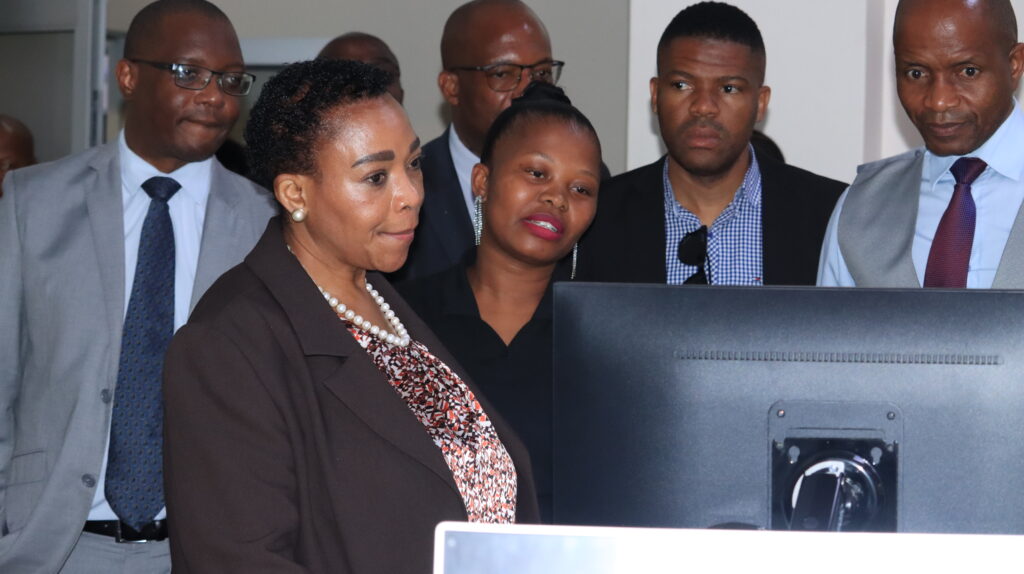
Dr Nomusa Dube-Ncube, Deputy Minister of the Department of Higher Education and Training, says teaching and learning at UL are more inclusive, as the University provides alternative formats of course materials, such as magnified text and braille, for students with visual impairment.
Dr Dube-Ncube urged the university to focus more on specialisation in strategic fields such as mining and engineering, as this would boost graduate employability and align programmes with the needs of both the provincial and national economies.
“The institution needs to strengthen the integration of technology into its academic programmes to ensure they remain relevant in today’s digital landscape and responsive to future skills demands,” she said, highlighting the significance of programmes that support economic development.
Dr Dube-Ncube reaffirmed the Department’s commitment to collaborating closely with the university and its students. “The University of Limpopo is among institutions with strong potential and capability for innovation,” she remarked.
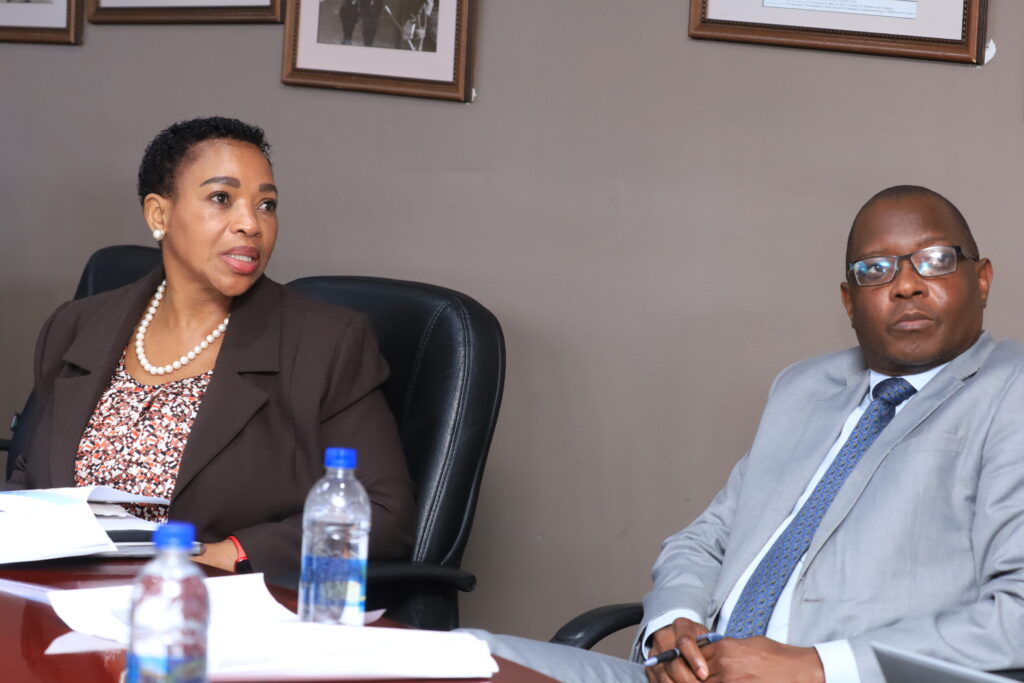
Dr Nomusa Dube-Ncube, Deputy Minister of the Department of Higher Education and Training (left), and Dr Jeffrey Mabelebele, UL Vice-Chancellor and Principal, engage during an official oversight visit to assess the University’s state of readiness for the 2026 academic year
Dr Jeffrey Mabelebele, Vice-Chancellor and Principal of UL, described the university as a liberation and heritage institution, grounded in a rich history of promoting access, equity, and social justice. He highlighted UL’s ongoing transformation agenda and its commitment to producing socially conscious and skilled graduates ready to contribute meaningfully to society and the economy.
“We are focused on empowering our students with relevant knowledge, critical thinking skills, and practical experience that will enable them to succeed in the workforce and become agents of positive change in their communities,” Dr Mabelebele stated.
Prof Kwena Masha, UL Registrar, confirmed that the university is fully prepared for the 2026 academic programme. Registration for returning and first-time entering students was progressing on schedule, with teaching activities already underway for returning students and set to begin for first-time entering students on 9 February 2026.
“All outstanding matters regarding academic exclusions and financial clearance are being addressed. The university remains on track to meet its enrolment targets, and management is working closely with the Student Representative Council to ensure a seamless and efficient registration process for all students,” Prof Masha said.
The visit concluded with a guided tour of key facilities, including the newly constructed university Library, the Earth Sciences Building, the Reakgona Disability Centre, and the construction site for a 4,500-bed student residence. This tour showcased the university’s ongoing investment in infrastructure and its commitment to providing inclusive, high-quality higher education.