


A delegation from the Department of Higher Education and Training (DHET) and the University of Limpopo (UL) visits various university projects funded through the Sibusiso Bengu Development Grant (SBDG) and the Clinical Training Grant (CTG) to assess progress. Photo: Frans Nkhapele
Two-day monitoring visit reviews infrastructure projects, student and staff development, support services, and clinical training at the University of Limpopo
By Thabiseng Ngobeni – Thabiseng.ngobeni@ul.ac.za
Upgraded laboratories for five health sciences programmes, enhanced campus security and expanded support for students with disabilities were among the University of Limpopo’s (UL) grant-funded projects showcased during a two-day visit by the Department of Higher Education and Training (DHET) to review progress on the Sibusiso Bengu Development Grant (SBDG) and Clinical Training Grant (CTG)
The university’s delegation was led by Shiba Diketane, Director of the Development Grants Management Office (DGMO) in the Office of the Vice-Chancellor.
The SBDG plays a critical role in empowering historically disadvantaged institutions by providing essential funding for infrastructure, safety and security enhancement, information and communications technology (ICT) upgrades, governance, research, and teaching and learning.
At UL, projects under the current phase SBDG initiatives encompass key infrastructure and institutional development projects, including major upgrades to Gate 1 and the perimeter security wall, support for the Reakgona Disability Centre, postgraduate innovation and development, the Centre for Student Counselling and Development, ICT business intelligence, digital transformation, entrepreneurship development, technology transfer and human resource talent development.
The Department also supports the development of 4,500-bed student accommodation through its Infrastructure and Efficiency Grant and community engagement projects, including initiatives aimed at supporting local schools through the SBDP/G.
The Clinical Training Grant funds student support, laboratory equipment and staff in five programmes: Medicine, Optometry, Pharmacy, Nursing Science, and Human Nutrition and Dietetics.
Highlighting the purpose of the engagement, Diketane explained that the visit was intended to monitor implementation of the various projects supported through the Department’s earmarked grants, the use of the grants and ensure that projects complied with DHET grant requirements.
“The focus is to strengthen compliance with the guidelines and ensure that these programmes support the university’s transformation priorities, including student access and success, research and innovation capacity development, teaching and learning, and community engagement, among others,” he stated
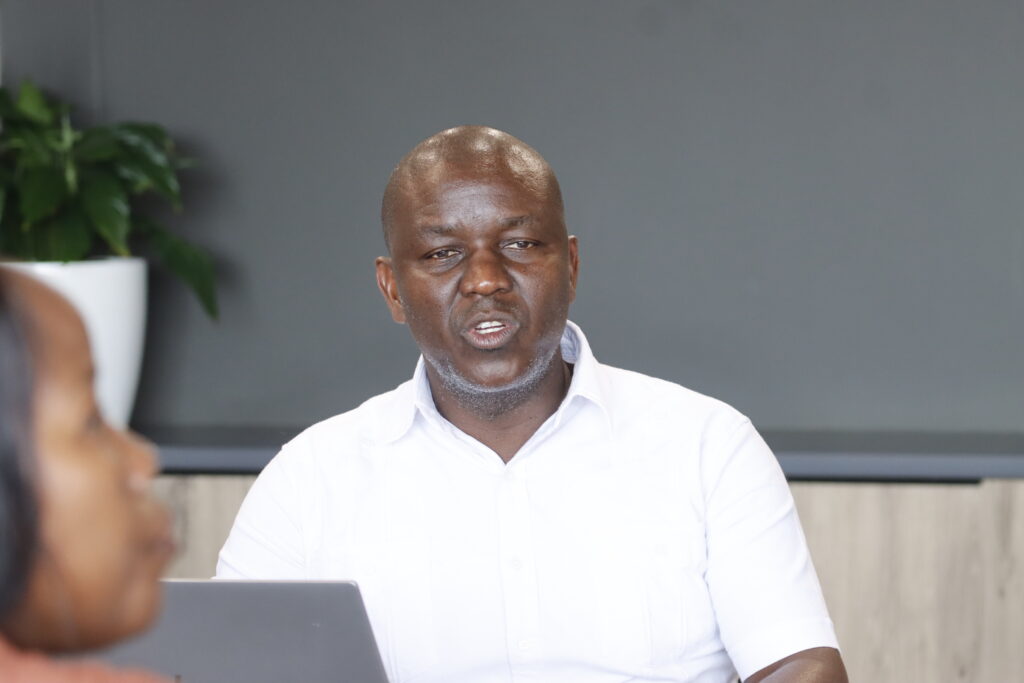
Shiba Diketane, Director of the Development Grants Management Office at UL.
He added that most of the projects were intended to strengthen the systems supporting the university’s core functions.
“The visit has been instrumental in helping the office and the university improve the effectivenesand efficiencies of programme implementation across the university,” he said.
Acting Executive Dean of the Faculty of Health Sciences, Professor Mamare Bopape, noted that CTG funding had helped equip laboratories for practical training and teaching.

“The equipment allows our students to undertake practical work and supports clinical training aross five programmes. We are grateful for the funding, which is helping us upgrade our facilities and enhance the quality of training,” she said.
Prof Bopape added that regular oversight monitoring visits provided an opportunity to assess progress, identify shortcomings and refine future institutional planning.
The visit was intended to monitor implementation of the various projects supported through the Department’s earmarked grants, the use of the grants and ensure that projects complied with DHET grant requirements.