


University of Limpopo postgraduate students explore state-of-the-art laboratories and equipment as part of their Genomic Expression Training Programme at the South African Medical Research Council. Photos: Reuben Maake
By Reuben Maake – reuben.maake@ul.ac.za
Prestigious training positions University of Limpopo (UL) students at the forefront of healthcare innovation and strengthens South Africa’s scientific capacity
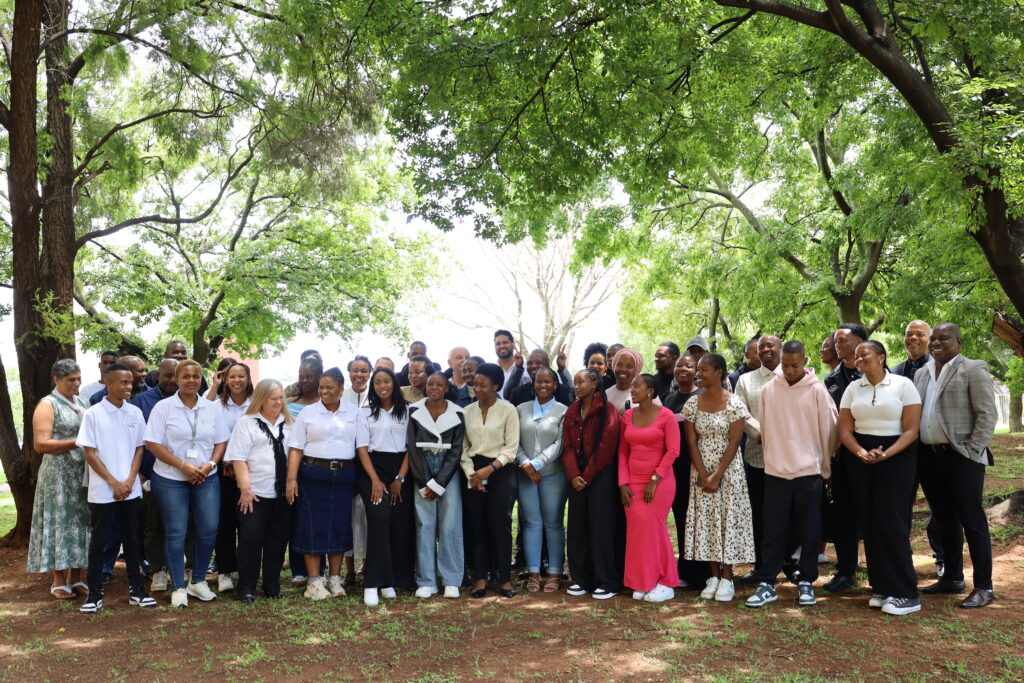
Twenty postgraduate students from the Faculty of Science and Agriculture at UL have secured a rare and prestigious opportunity to train as future genetic scientists at the South African Medical Research Council (SAMRC)
Selected for the highly competitive Genomic Expression Training Programme, the students will undergo five weeks of intensive training in advanced molecular science and laboratory management. The initiative is offered by SAMRC in partnership with Thermo Fisher Scientific, the Department of Science, Technology and Innovation (DSTI), and the Centre for Advanced Training and Innovative Research (CATIR).
The programme is designed to strengthen South Africa’s scientific capacity by equipping emerging researchers with cutting-edge genomic expression techniques. At a time when healthcare systems globally are under pressure to respond to pandemics and evolving disease burdens, the training represents a strategic investment in national resilience and innovation in times of need.
Dr Thembinkosi Mabila, Director for Research Administration and Development at UL, said the university is confident that its MSc and PhD candidates will benefit immensely from the hands-on exposure.
“We are confident that the advanced molecular techniques they will develop and apply at the Centre for Advanced Training and Innovative Research will significantly enhance their skills and knowledge, ultimately supporting and elevating their future research in genomic expression,” he said.
Bruce Tshilamulele, Deputy Director for Health Innovation at DSTI, urged the students to seize the opportunity, describing it as a gateway to unlocking their potential as the next generation of health experts and researchers.
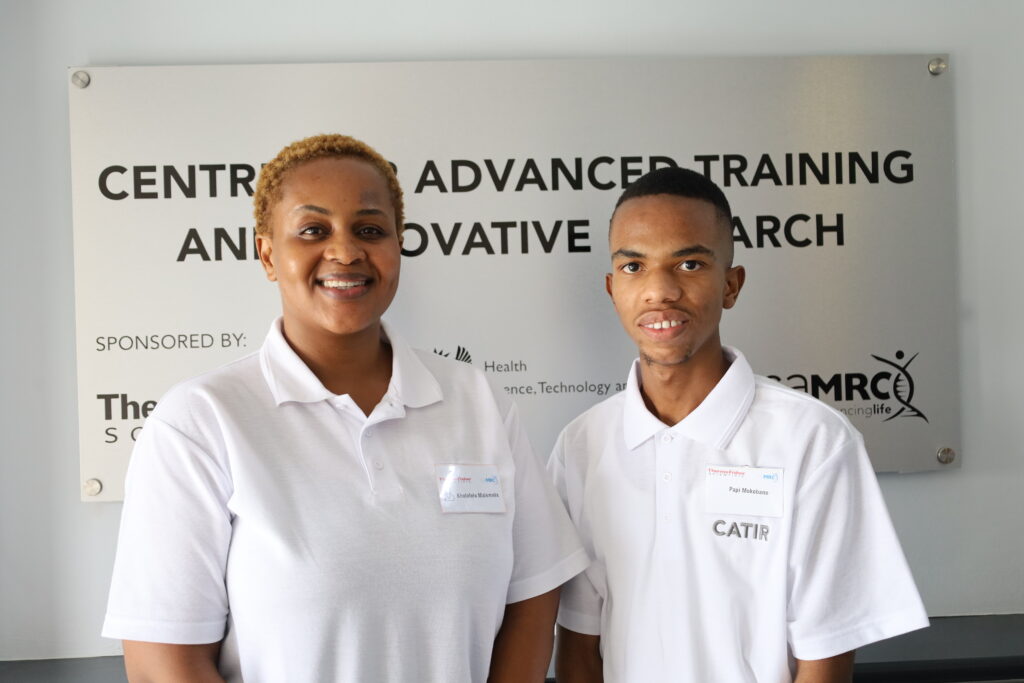
UL alumni Dr Kholofelo Malemela (PhD Biochemistry) and Papi Confidence Mokobane (HSc Physiology), now contributing at the South African Medical Research Council, play an instrumental role in training the twenty postgraduate students from UL.
“The skills you will acquire here are critical to improving the resilience and innovation potential of South Africa’s health system. We are not just investing in technical skills, we are investing in the next generation of scientists who will strengthen South Africa’s healthcare system and drive future pandemic preparedness,” he said.
Johan Louw from SAMRC noted that the initiative strengthens the longstanding relationship between SAMRC and UL, marking the second cohort of UL students to benefit from the training programme.
For the students themselves, the experience represents both recognition and responsibility. Dimpo Mathabatha, a master’s student in Animal Production focusing on molecular characterisation and genetic variability, described the opportunity as a vote of confidence in their academic journey.
“We are not just investing in technical skills, we are investing in the next generation of scientists who will strengthen South Africa’s healthcare system and drive future.”
Experiencing the programme first-hand, she said, will directly enhance the quality and impact of her research.
Over the five-week period, students will master the fundamentals of nucleic acid extraction and Polymerase Chain Reaction (PCR), advanced PCR methodologies, DNA sequencing and Next-Generation Sequencing (NGS). They will work in state-of-the-art laboratories using high-tech equipment such as KingFisher systems, Thermocyclers, QuantStudio 5 platforms, AbsoluteQ, SeqStudio and Ion GeneStudio S5.
Beyond individual development, the capacity-building initiative is expected to contribute meaningfully to future pandemic preparedness and the development of a more resilient healthcare system.